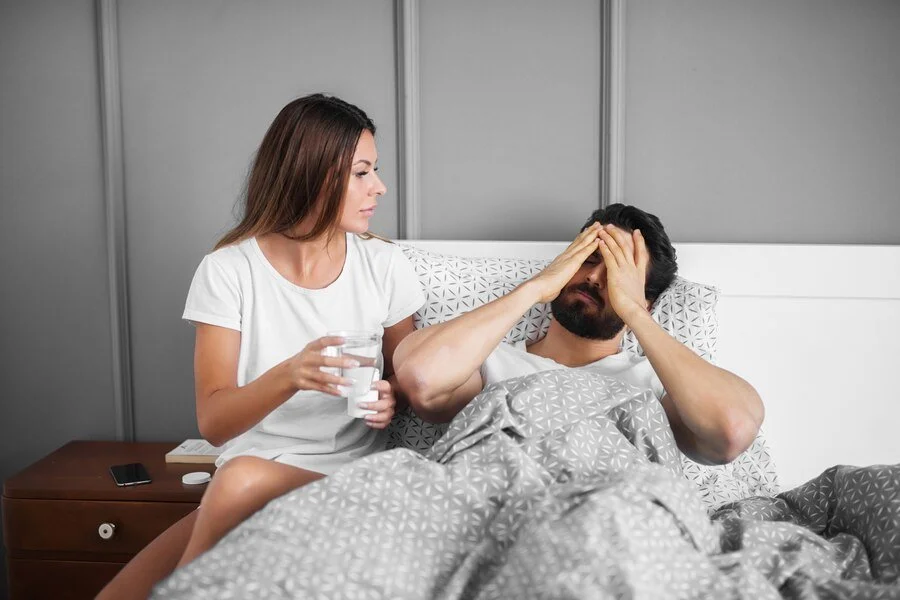
Low Libido Treatment in Nashik (सेक्सची इच्छा कमी होत जाणे)
A noticeable and lasting drop in sexual desire can be confusing and distressing, especially when there seems to be no obvious reason for it. Low libido (सेक्सची इच्छा कमी होत जाणे) affects many men at some point in their lives, and it deserves the same medical attention as any other health concern. If you are looking for sensitive, professional low libido treatment in Nashik, Unique Multicare Sex & Health Clinic is here to help you understand and address the cause.
Libido, your interest in and desire for sexual activity, is shaped by hormones, physical health, emotions, stress levels, and the quality of your relationship. Because so many factors are involved, low libido is rarely about one single thing. The reassuring news is that once the underlying cause is identified, it can usually be improved. This guide explains the causes, signs, and treatment options in detail.
What Is Low Libido?
Low libido refers to a reduced interest in sexual activity that continues over a period of time and causes personal distress or difficulty within a relationship. Sexual desire naturally varies from one person to another, and it also changes through different stages of life, so an occasional dip is completely normal.
Low libido becomes a genuine medical concern only when the loss of interest is persistent, unwanted, and noticeably different from your usual self. It is also important to know that low desire is different from erectile dysfunction. A man can have normal erections but little desire, or strong desire but erection difficulty, and the two need different approaches.
What Causes Low Libido?
Low libido can stem from hormonal, physical, psychological, or relationship factors. Often, more than one factor is involved at the same time, which is why a thorough assessment is so valuable.
Physical and Medical Factors
- Low testosterone, the hormone most closely linked to male sexual desire
- Thyroid disorders and other hormonal imbalances
- Diabetes, high blood pressure, and other chronic health conditions
- Side effects of certain medications, including some for blood pressure and depression
- Poor sleep, chronic fatigue, obesity, and excessive alcohol use
Psychological and Lifestyle Factors
- Long-term stress from work, finances, or family responsibilities
- Anxiety and depression, both of which strongly reduce desire
- Relationship conflict, emotional distance, or loss of intimacy
- Low self-esteem or body image concerns
- The lingering effect of previous sexual difficulties such as ED or PE
Signs and Symptoms to Watch For
It may be time to consult a specialist if you recognise the following signs:
- Little or no interest in initiating or engaging in sexual activity
- Few or no sexual thoughts, fantasies, or spontaneous desire
- Personal concern or distress about the lack of interest
- Reduced intimacy that is beginning to affect the relationship
- Sometimes accompanying tiredness, low mood, or low energy
Common Myths and the Facts
Sexual health is surrounded by misinformation that often causes more distress than the concern itself. Here are some common myths set against the facts:
Myth: Low libido is a natural part of ageing, so ignore it.
Fact: While desire can change with age, a significant unwanted drop is not something to simply accept - it often has a treatable cause.
Myth: Low desire always means low testosterone.
Fact: Low testosterone is only one possible cause. Stress, mood, and lifestyle are equally common reasons.
Myth: Men always want sex, so low libido is not real.
Fact: This is a harmful myth. Men's desire varies just like anyone's, and low libido is a genuine, recognised concern.
Myth: Nothing can restore lost desire.
Fact: In most cases, once the cause is found, desire can be meaningfully improved with the right treatment.
How Low Libido Is Diagnosed
Accurate diagnosis is the foundation of effective treatment. At Unique Multicare Clinic, the process is thorough yet comfortable, and typically includes:
- A private, detailed conversation about your desire levels and how they have changed
- A review of stress, mood, sleep, relationship, and lifestyle factors
- A check of current medications that might be affecting libido
- Blood tests to assess testosterone, thyroid, and other relevant hormones
- Screening for underlying conditions such as diabetes where appropriate
Treatment Options at Unique Multicare Clinic
Treatment is always personalised, because no two patients are alike. The table below summarises the main approaches and who each one tends to suit best. Your sexologist will recommend the right combination after diagnosis.
| Approach | Best Suited For | What It Involves |
|---|---|---|
| Lifestyle changes | Stress and fatigue-related cases | Better sleep, exercise, reduced alcohol, healthier routine |
| Hormone correction | Confirmed hormonal imbalance | Treatment to restore testosterone or thyroid balance safely |
| Treating root condition | Diabetes or illness-related cases | Managing the underlying medical condition |
| Medication review | Drug-induced low libido | Adjusting medicines, where safe, with your doctor |
| Counselling | Stress, mood or relationship cases | Support for anxiety, depression and relationship concerns |
What to Expect During Your Visit
- A private, unhurried consultation with an experienced sexologist.
- An honest discussion of your history, lifestyle, and concerns.
- Recommended tests only where they are genuinely useful.
- A clear, personalised treatment plan explained in simple terms.
- Follow-up support to track progress and adjust care as needed.
Self-Care and Lifestyle Tips
Alongside medical treatment, these practical steps support better outcomes and overall sexual health:
- Prioritise good, consistent sleep - fatigue is a major desire-killer
- Exercise regularly to boost energy, mood, and hormone balance
- Reduce alcohol and avoid recreational substances
- Make time for emotional intimacy and open communication with your partner
- Address stress actively through relaxation, hobbies, or professional support
When Should You See a Doctor?
Consider seeing a sexologist if low desire has lasted for several weeks or months, if it is causing you distress or relationship strain, or if it appears alongside fatigue, low mood, or erectile difficulty. A check-up is especially worthwhile if the change was sudden, as that can point to a specific, treatable cause.
Why Choose Unique Multicare Clinic in Nashik
Unique Multicare Clinic offers a private, respectful environment where you can discuss sensitive concerns openly and without embarrassment.
Our experienced sexologist in Nashik focuses on accurate diagnosis and realistic, evidence-based treatment. Because desire is shaped by both body and mind, both are addressed together, ensuring you feel genuinely supported throughout your care.
Frequently Asked Questions
Q. Is low libido a sign of a serious problem?
A. Not usually, but it can sometimes point to hormonal or health issues. A proper check-up helps rule out any underlying condition.
Q. Can stress alone reduce sex drive?
A. Yes. Ongoing stress, anxiety, and poor sleep are very common causes of reduced libido and often improve with the right support.
Q. Does low libido mean low testosterone?
A. Not always. Low testosterone is one possible cause among several, which is why evaluation is important before starting treatment.
Q. Is treatment effective?
A. Yes. Once the cause is identified, most men respond well to a personalised treatment plan.
Q. Can my medication be causing low desire?
A. Some medicines can reduce libido. Never stop them on your own - your doctor can review and adjust them safely.
Q. Is low libido the same as erectile dysfunction?
A. No. Low libido is about reduced desire, while ED is about erection difficulty. They can occur separately or together.
Q. How long does treatment take?
A. It depends on the cause. Lifestyle and stress-related cases often improve within weeks, while hormonal cases may need longer.
Book a Confidential Consultation
If any of these concerns sound familiar, you do not have to face them alone, and you do not have to feel embarrassed. Low Libido is a recognised medical concern with real, effective solutions.
Contact Unique Multicare Sex & Health Clinic in Nashik today to book a private, judgement-free consultation and take a confident first step toward better sexual health.
Book Appointment